IEEE Symposium on Computational Intelligence in Robotics Rehabilitation and Assistive Technologies (IEEE CIR2AT)
IEEE SSCI 2020 will run as a virtual conference.
Millions of individuals of all ages experience permanent or temporary sensor, motor or cognitive limitations. The "cost" associated with these disabilities includes not only those incurred through medical and support services, but also less tangible costs, such as those due to lost wages and non-productivity. Computer-based Assistive and Rehabilitation Technologies offer tools, devices, systems and services that can be used to correct, enable, maintain, or improve the functional capabilities of individuals with disabilities. As a relieving measure, Assistive Technologies' scope is twofold: at first, to enable a more independent daily life, whether by providing assisted mobility, communication, or health, and either at home, school or work; and secondly, to offer all the benefits of an inclusive participation in the information society, from the more passive web content accessibility to the full participation in social media and all other Internet services. At the same time, as a corrective measure, the goals of Rehabilitation are to eliminate or at least ameliorate life-limiting disabilities and facilitate community re-entry. That is, while restoration of function is the most positive outcome of rehabilitation, compensatory strategies are also employed when the natural functions cannot be fully restored.
The manuscripts should be submitted in PDF format. Click Here to know further guidelines for submission.
This symposium will highlight the latest results from world leading research labs, academia and industry in the fields of Computational Intelligence applied to both Assistive Technology and Robotic Rehabilitation.
Topics
Topics include but are not limited to:
- Assistive Technologies for Persons with Visual Impairment
- Assistive Technologies for Hearing enhancement
- Augmentative and Alternative Communication systems
- Assistive Technologies for Persons with Cognitive Impairement
- Assistive technologies for persons with print disabilities
- Rehabilitation Robotics and Telemanipulation
- Assisting Recovery from Stroke
- Technologies to Enhance Mobility and Function for Individuals with Severe Disability (e.g. Spinal Cord Injury, ASL, Muscle Dystrophy, etc.)
- Telerehabilitation
- Wheelchair Transportation Safety
- Wheeled Mobility
- School and Workplace Accommodations
- Robotic Prosthetic and Orthotics
- Technologies for Improving Quality of Daily Living
- Recreational Technologies and Exercise Physiology Benefiting Persons with Disabilities
Symposium Chairs
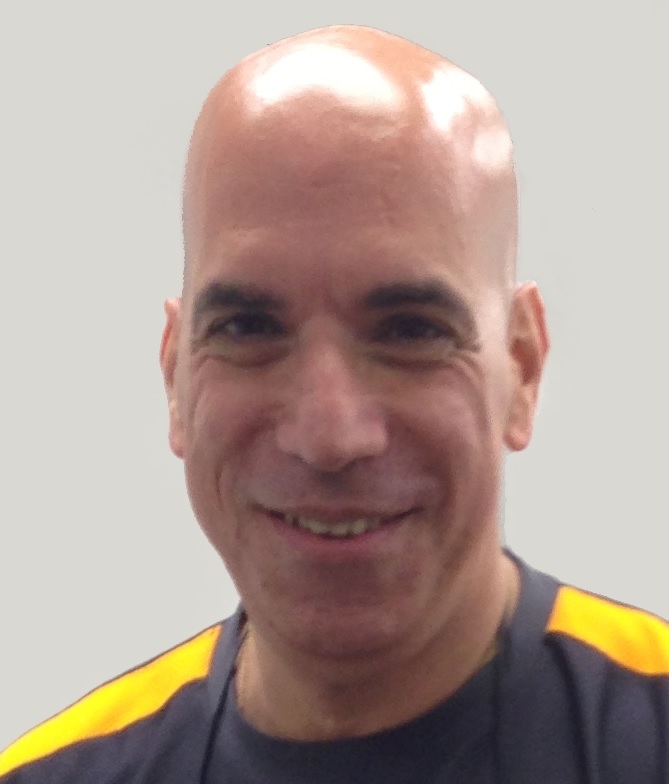
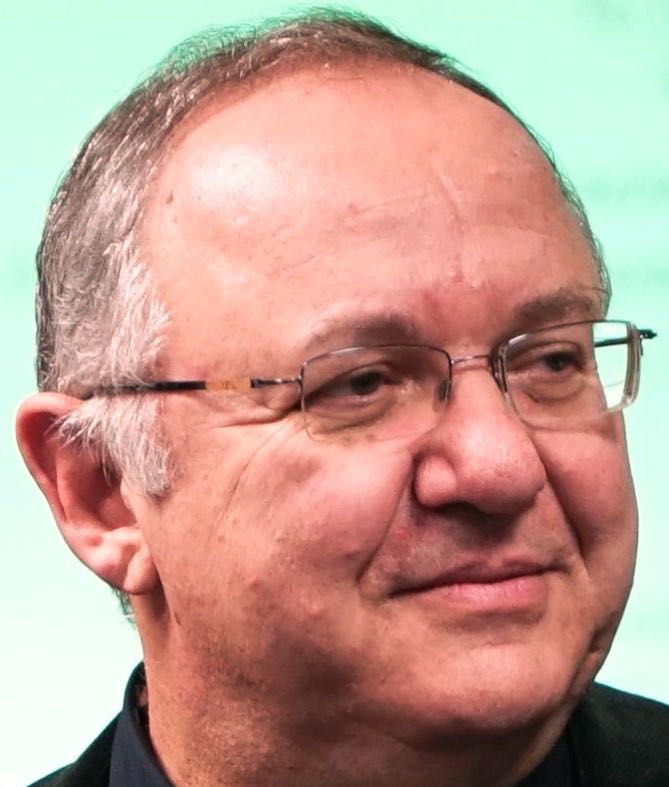
Program Committee
- Guilherme Desouza, University of Missouri, USA
- Georgios Kouroupetroglou, National and Kapodistrian University of Athens, Greece
- Kim Adams, University of Alberta, USA
- Christian Buhler, Technical University of Dortmund, Germany
- Yixiang Gao, University of Missouri, USA
- Hernisa Kacorri, University of Maryland, USA
- Edmund Durfee, University of Michigan, USA
- Mark Hawley, University of Sheffield
- HermanoIgo Krebs, Massachusetts Institute of Technology, USA
- Alexandros Pino, National and Kapodistrian University of Athens, Greece
- Nilanjan Sarkar, Vanderbilt University, USA
- Konstantinos Votis, Information Technologies Institute, Greece
Where
Canberra, Australia
When
1-4 December 2020
ieeessci2020 at gmail . com