IEEE Symposium on Evolutionary Scheduling and Combinatorial Optimisation (IEEE ESCO)
IEEE SSCI 2020 will run as a virtual conference.
Scope and Aims:
Evolutionary scheduling and combinatorial optimisation (ESCO) is an important research area at the interface of artificial intelligence (AI) and operations research (OR). ESCO has attracted the attentions of researchers over the years due to its applicability and interesting computational aspects. Evolutionary Computation (EC) techniques are suitable for these problems since they are highly flexible regarding handling constraints, dynamic changes, and multiple conflicting objectives. With the growth of new technologies and business models, researchers in this field have to continuously face new challenges, which required innovated solution methods.
This symposium focuses on both practical and theoretical aspects of Evolutionary Scheduling and Combinatorial Optimisation. Examples of evolutionary methods include genetic algorithm, genetic programming, evolutionary strategies, ant colony optimisation, particle swarm optimisation, evolutionary based hyper-heuristics, memetic algorithms. Novel hybrid approaches that combine machine learning and evolutionary computation to solve difficult ESCO problems are highly encouraged. Examples include using machine learning to improve surrogate-assisted evolutionary algorithms, and designing evolutionary algorithms for reinforcement learning and transfer learning.
We welcome the submissions of quality papers that effectively use the power of EC techniques to solve hard and practical scheduling and combinatorial optimization problems. Papers with rigorous analyses of EC techniques and innovative solutions to handle challenging issues in scheduling and combinatorial optimisation problems are also highly encouraged.
Topics
Topics of interest include, but not limited to:
- Production scheduling
- Timetabling
- Nurse rostering
- Patient scheduling
- Vehicle routing
- Project scheduling
- Airport runway scheduling
- Transport scheduling
- Grid/cloud scheduling and resource allocation• Evolutionary scheduling with Big Data
- Web service composition
- Wireless networking state location allocation
- Project scheduling
- 2D/3D strip packing
- Space allocation
- Multi-objective scheduling
- Metamodel-based Evolutionary Algorithm for scheduling
- Multiple interdependent decisions
- Automated heuristic design
- Innovative applications of evolutionary scheduling and combinatorial optimisation
Symposium Chairs
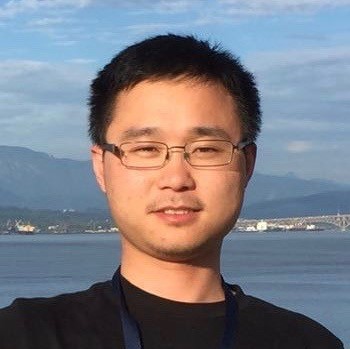
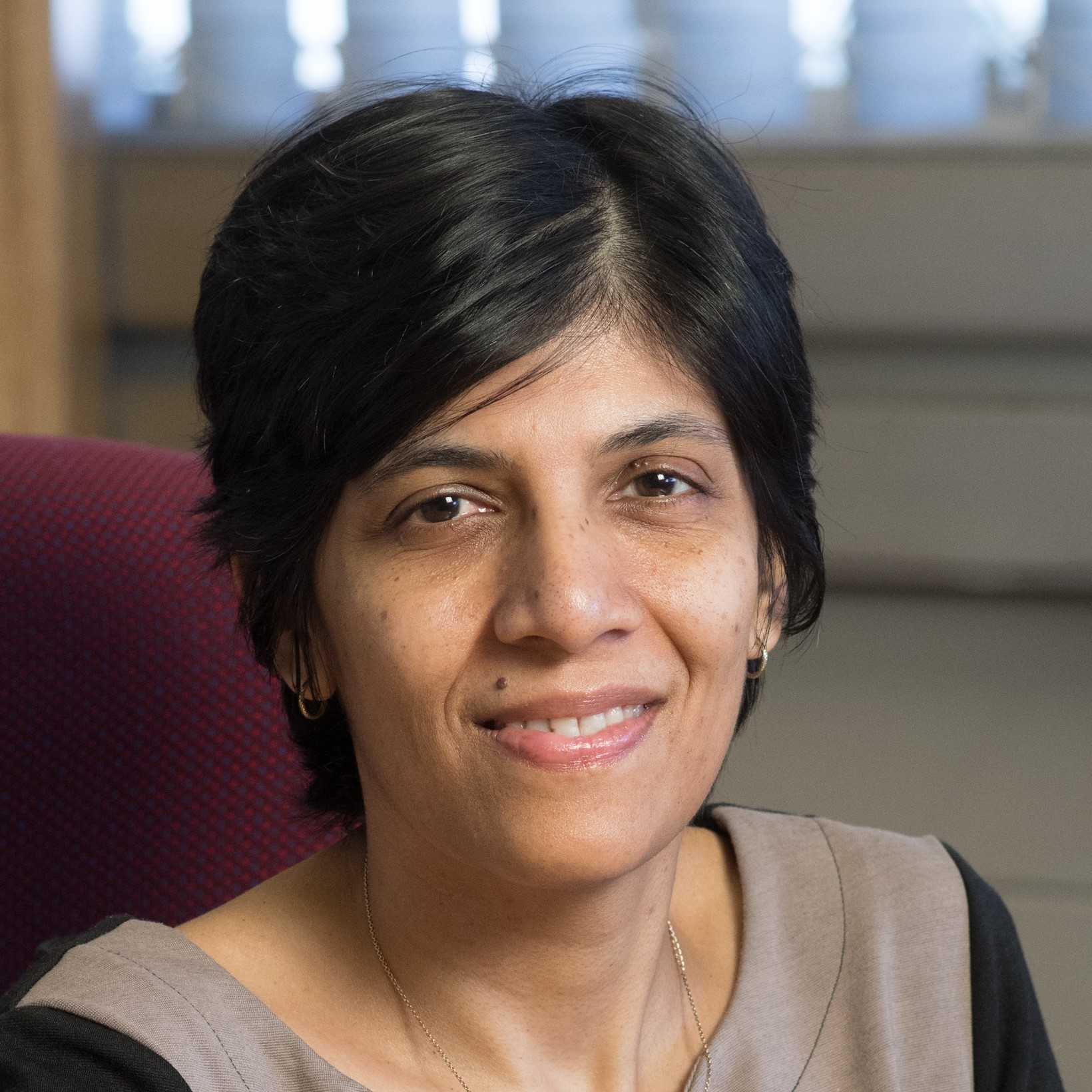
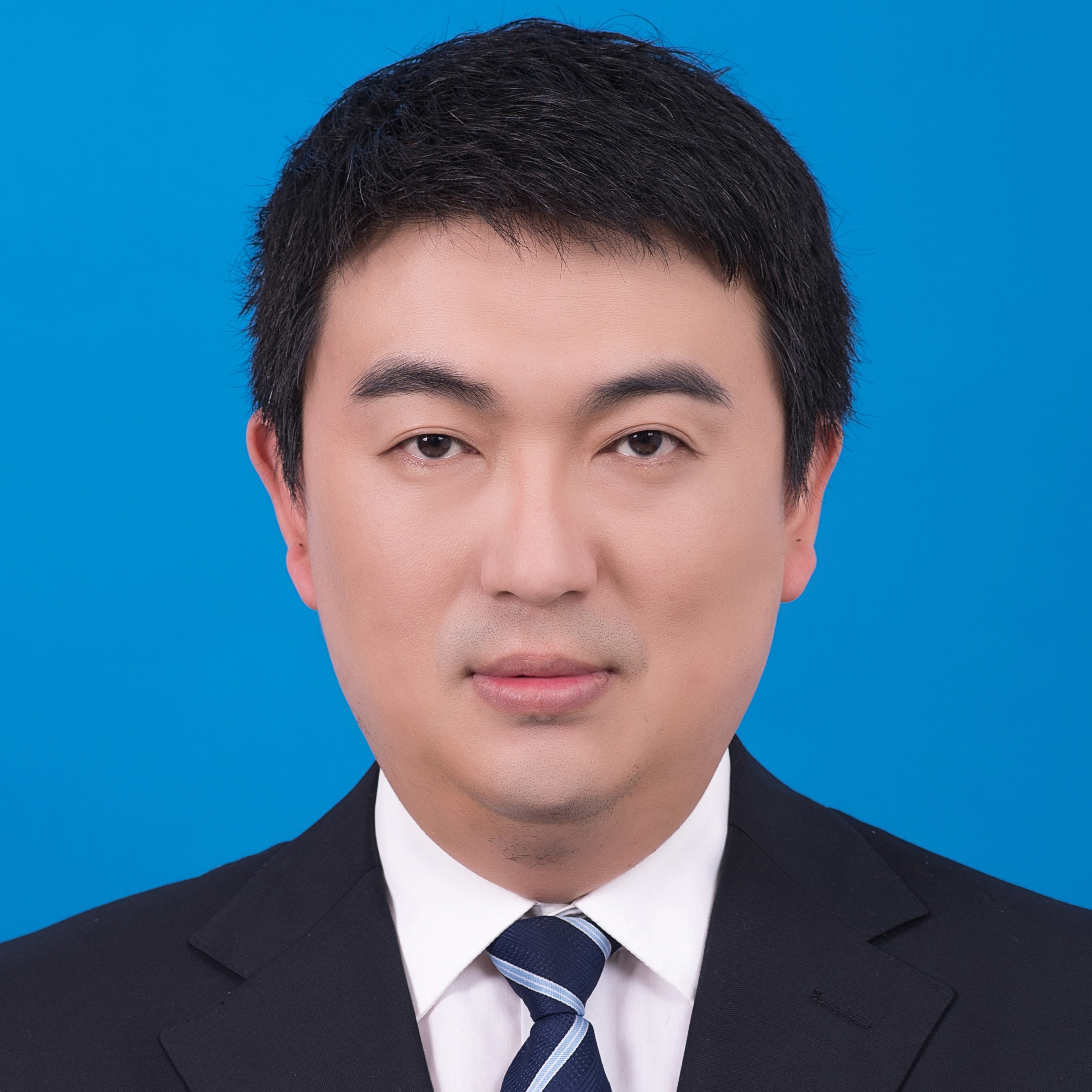
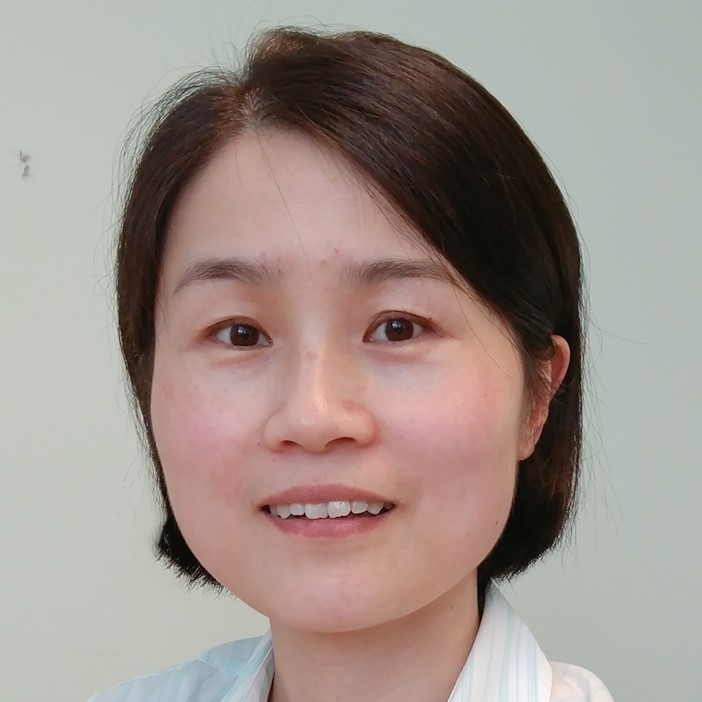
Program Committee
- Prof. Juergen Branke, University of Warwick, UK
- Dr. Alexandre Sawczuk da Silva, Victoria University of Wellington, NZ
- Dr. Hui Ma, Victoria University of Wellington, NZ
- Dr. Kamran Shafi, University of New South Wales, Australia
- Dr. Andy Song, RMIT University, Australia
- Prof. Kay Chen Tan, City Univeristy of Hong Kong, HK
- Prof. Xiaoqiang Cai, The Chinese University of Hong Kong China, HK
- Dr. Aaron Chen, Victoria University of Wellington, NZ
- Dr. Jian Xiong, National University of Defense Technology, P.R. China
- Dr. Lam Bui Thu, Le Quy Don Technical University, Vietnam
- Dr. Mark Johnston, University of Worcester, UK
- Dr. Jinghui Zhong, Southern China University of Technology, China
- Prof. Chuan-Kang Ting, National Chung Cheng University, Taiwan
- Dr. Deepak Karunakaran, Victoria University of Wellington, NZ
- Dr. John Park, Victoria University of Wellington, NZ
- Prof. Emma Hart, Napier University, UK
- Prof. Handing Wang, Xidian University, China
- Prof. Liang Feng, Chongqing University, China
- Prof. Ke Tang, Southern University of Science and Technology of China, China
- Dr. Kevin Sim, Napier University, UK
- Prof. Yuping Wang, Xidian University, China
- Prof. Jing Liu, Xidian University, China
- Prof. Domagoj Jakobovic, University of Zagreb, Croatia
- Dr. Hemant Kumar Singh, University of New South Wales, Australia
- Dr. Marko Durasevic, University of Zagreb, Croatia
- Prof. Tapabrata Ray, University of New South Wales, Australia
- Professor Ruibin Bai, University of Nottingham, Ningbo, China
- Professor Panayiotis Alefragis, TEI of Western Greece, Greece
- Professor Greet Vanden Berghe, KU Leuven, Belgium
- Dr John Woodward, Queen Mary University of London, UK A
Where
Canberra, Australia
When
1-4 December 2020
ieeessci2020 at gmail . com